War of Underworld Guide
Final BattleThe War of Underworld is the climactic conclusion to Sword Art Online's Alicization saga, a massive-scale conflict that spans both the virtual world of Underworld and the real world. Following the fall of Administrator and the revelation that Underworld's fluctlights are accelerating toward true sentience, the Dark Territory launches a full-scale invasion of the Human Empire. Kirito lies catatonic after the emotional trauma of Eugeo's death, leaving Asuna to lead the defense alongside Alice and the surviving Integrity Knights. As the greatest battle in Underworld's history unfolds, the real-world forces of Rath and the American military race to control the outcome, all while Kirito fights to recover his will from the depths of his own mind.
Overview
The War of Underworld Arc is the climactic conclusion of Sword Art Online's Alicization story arc, spanning light novel volumes 15 through 18 and episodes 12 through 23 of Sword Art Online: Alicization War of Underworld. The arc follows the aftermath of Kirito's victory over Administrator at the Central Cathedral. Kirito is left catatonic after the battle, his mind shattered by the psychological trauma of Eugeo's death and the revelation of the real-world conspiracy surrounding Underworld. While his body remains alive and his fluctlight still exists within Underworld, he is unresponsive — a hollow shell known as "Kirito the Black Swordsman" who can perform basic combat actions but has no will or consciousness.
As the real-world American military launches an assault on the Rath ocean platform to seize control of Underworld's technology, the virtual world descends into an apocalyptic war between the Human Empire and the Dark Territory. Asuna, Alice, and the remaining Integrity Knights must defend the Human Empire against overwhelming forces while simultaneously trying to restore Kirito's consciousness. The arc is the largest-scale conflict in SAO history, involving thousands of fluctlights, real-world mercenaries, and the intervention of players from various other VRMMOs. For comprehensive information, visit the Sword Art Online Wiki.
Mechanics and Rules
The War of Underworld operates on the same Underworld mechanics established in the Alicization Arc, but pushed to their absolute limits. The Incarnation system — the ability to affect reality through willpower — becomes a decisive factor in large-scale combat. Entire armies' collective belief can manifest as tangible battlefield effects. The System Control Code becomes a weapon in itself, with skilled users rewriting the laws of physics within limited areas to gain tactical advantages. The fluctlights' synaptic acceleration means that time in Underworld flows at approximately one thousand times the rate of the real world, allowing battles spanning days to occur in real-world minutes.
A crucial new element is the "Parallax" phenomenon: the more real-world players log into Underworld through the STL terminals, the more the system's assumptions about reality break down. Japanese SAO survivors log in to help defend the Human Empire, bringing their unique abilities from SAO — like Dual Blades and martial arts skills — into Underworld's system. Other major mechanics include the Super Account system (GM-level avatars created by Rath for testing), the "System Alert" notifications that appear when Underworld's reality is being modified, and the critical "Display" command that lets administrators see fluctlight status. The System Control Code mechanics play a central role in the arc's climactic battles.
Types and Classifications
The War of Underworld Arc can be classified into four concurrent theaters of conflict. The first is the Eastern Gate battle, the primary military front where the Integrity Knights defend the gateway between the Human Empire and the Dark Territory. This is the main stage for large-scale warfare involving tens of thousands of fluctlights. The second theater is the real-world battle for the Rath ocean platform, where Asuna, Klein, and their allies fight against American mercenaries attempting to seize control of the STL technology. These real-world events have direct consequences for the virtual war.
The third theater is the internal psychological struggle within Kirito's subconscious, where he is trapped in a "world of memories" reliving his happiest moments with Eugeo. Asuna must enter this mental space to wake him. The fourth theater is the divine-level conflict involving the "Star King" — Kirito's evolved form when he fully awakens as the administrator of Underworld's reality. Each theater has its own stakes, pacing, and resolution, creating a multi-layered narrative where events in one theater directly affect the others. This four-theater structure allows the arc to maintain tension across vastly different scales, from intimate emotional confrontations to continent-spanning warfare.
Notable Users and Examples
Kirito spends the majority of the arc in a catatonic state, unable to communicate or act with purpose. His eventual awakening is triggered by Asuna entering his subconscious through the STL, breaking through the trauma that trapped him. Once awakened, Kirito achieves a state of perfect Incarnation mastery, becoming the "Star King" — a being capable of controlling Underworld's reality at will. Asuna takes command of the Human Empire's forces during Kirito's absence, proving herself as one of the most capable leaders in the series. Her "Mother's Rosario" rapier technique remains one of the deadliest Sword Skills in existence.
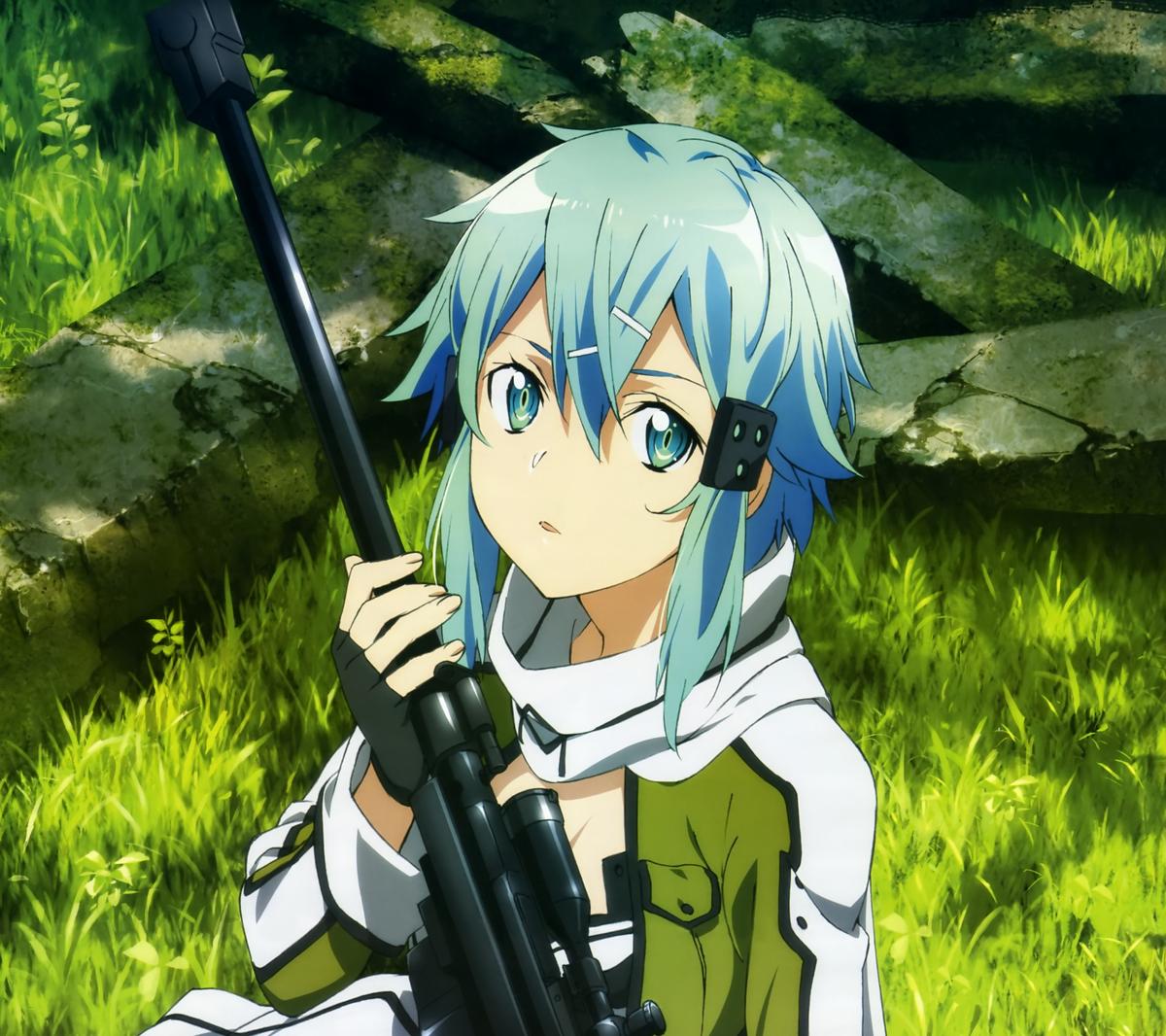
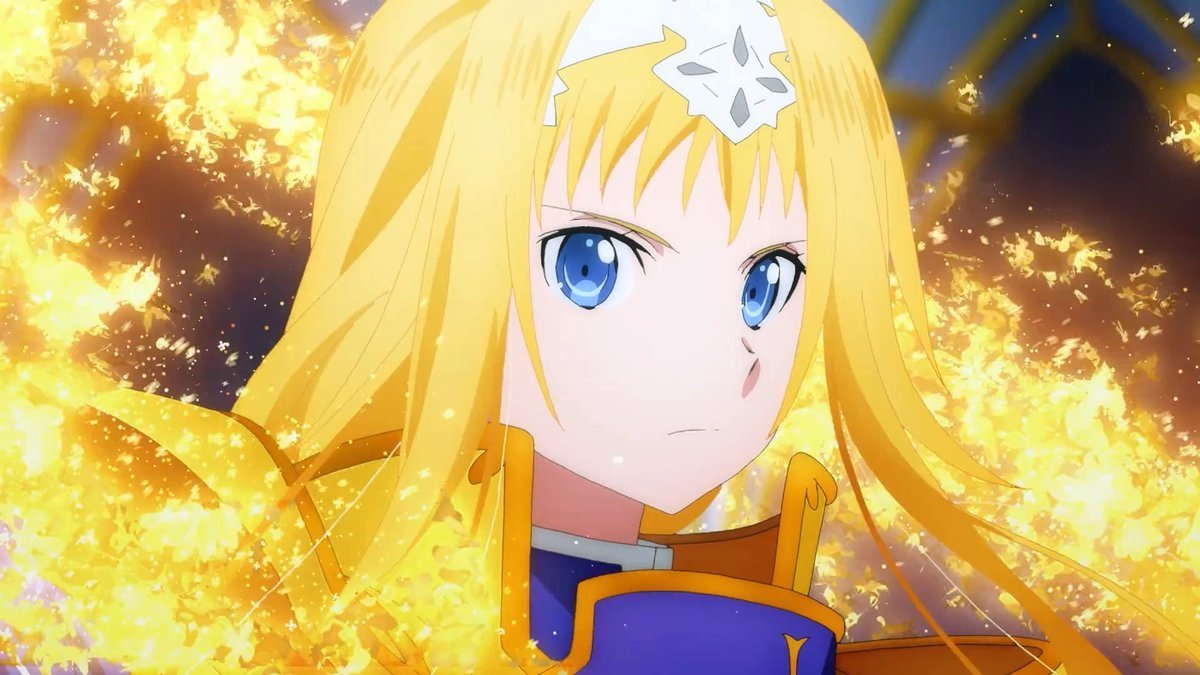
Alice Synthesis Thirty evolves from a brainwashed knight to a fully realized individual with her own agency. She makes the ultimate sacrifice to protect Underworld's future. Bercouli Synthesis One, the leader of the Integrity Knights, engages in a legendary duel against Vector, the leader of the Dark Territory, using the Time-Splitting Sword that can cut through space itself. Sinon and Leafa join the battle as Super Accounts from the real world, with Sinon becoming the goddess Solus and Leafa becoming the goddess Terraria. The returning SAO survivors — Klein, Agil, and other former frontliners — log into Underworld to join the defense, bringing their unique combat styles. For the full character roster, see the MyAnimeList page.
Strategic Analysis
The strategic landscape of the War of Underworld is the most complex in SAO history. The Eastern Gate defense requires balancing limited resources against an enemy with numerical superiority. The Integrity Knights must use their unique abilities strategically: Bercouli's time-cutting sword against the most dangerous enemies, Fanatio's light-reflecting blade for area denial, and Deusolbert's flame arts for crowd control. The Dark Territory employs a "zerg rush" strategy, overwhelming defenders with sheer numbers while their elite commanders target key positions.
The real-world strategic layer adds another dimension. The American mercenaries' goal is not conquest but data acquisition — they want the STL technology and the fluctlight research. This creates a cat-and-mouse game where Asuna and her allies must sabotage the platform infrastructure while defending Underworld simultaneously. Kirito's strategic awakening changes everything: as the Star King, he can rewrite Underworld's reality at will, effectively becoming a god within the system. However, this power comes at the cost of his connection to the real world, creating a bittersweet strategic choice between omnipotence in the virtual world and humanity in the real one. The arc ultimately demonstrates that the most powerful strategic asset is not technology or numbers, but the will to protect those you love.
FAQ
How many episodes does War of Underworld cover?
Why is Kirito catatonic at the start of this arc?
Who are the Super Accounts?
What happens to Alice at the end?
How do SAO players help in the war?
Advertisement