Sword Art Online features a diverse arsenal of weapon types, each with unique mechanics, skill trees, and combat roles. From the versatile one-handed sword to the precision rapier and the heavy-hitting battle axe, understanding weapon classes is essential for any player looking to survive and thrive in Aincrad. This guide breaks down every weapon type, its strengths, weaknesses, and the playstyles they support.
Overview
Sword Art Online features a diverse arsenal of weapon types, each with unique mechanics, skill trees, and combat roles. From the versatile one-handed sword to the precision rapier, the heavy-hitting battle axe, and the lightning-fast dagger, understanding weapon classes is essential for any player looking to survive and thrive in Aincrad. Each weapon type has its own proficiency system that unlocks increasingly powerful Sword Skills as the player gains experience with that weapon category.
The SAO weapon system encourages specialization. While players can train in multiple weapon types, the proficiency system rewards focused practice — mastering a single weapon type unlocks higher-tier skills faster than spreading experience across multiple categories. This design creates a natural class system where players gravitate toward the weapon type that best fits their combat style and party role. For a complete weapon database, visit the Sword Art Online Wiki.
Mechanics and Rules
Each weapon type in SAO has a unique skill tree that branches into specialized techniques. Proficiency with a weapon type increases through active use of its Sword Skills in combat, with higher proficiency unlocking new abilities and passive bonuses. Weapon proficiency is tracked independently for each type, meaning switching weapons resets the player's effective skill level with the new type. Sword Skills are system-assisted attack animations that deal significantly more damage than normal strikes, with each weapon type having its own set of skills.
Weapon attributes include attack power, attack speed, reach, weight, and durability. Attack power determines base damage per hit. Attack speed affects the recovery time between attacks and the execution speed of Sword Skills. Reach determines the effective range of attacks, with longer weapons able to strike from safer distances. Weight affects movement speed and stamina consumption, with heavier weapons requiring more strength investment. Durability determines how long a weapon can be used before requiring repair. Each weapon type has a different balance of these attributes — one-handed swords offer balanced stats, rapiers emphasize speed, axes prioritize power, daggers maximize critical potential, and spears provide superior reach and crowd control. The Sword Skills page details the skill tree for each weapon type.
Types and Classifications
One-handed swords are the most balanced weapon class, offering a solid mix of attack power, speed, and reach. They are the default choice for most front-line players and can be paired with a shield. The one-handed sword skill tree includes techniques like "Vorpal Strike" and "Rage Spike." Rapiers are thrusting weapons emphasizing attack speed and critical hit rate, with techniques like "Flashing Penetrator" and "Linear." Their playstyle rewards fast reflexes and precise aim. Battle axes and great axes deliver the highest per-hit damage but suffer from slow swing speeds and long recovery animations, favored by tank-type players for their guard-breaking power.
Spears and lances offer extended reach and crowd control capabilities, allowing users to strike from safety behind the front line. Daggers are the fastest weapons with unparalleled attack speed and critical bonuses, but require aggressive close-quarters play. Maces and blunt weapons excel against heavily armored enemies. Curved swords trade some speed for improved combo chaining potential. Each weapon class has unique Sword Skills that unlock as proficiency increases, encouraging specialization. The choice of weapon type fundamentally shapes a player's combat experience, determining not just their damage output but their role in party dynamics, their resource management needs, and their effective strategies against different enemy types.
Notable Users and Examples
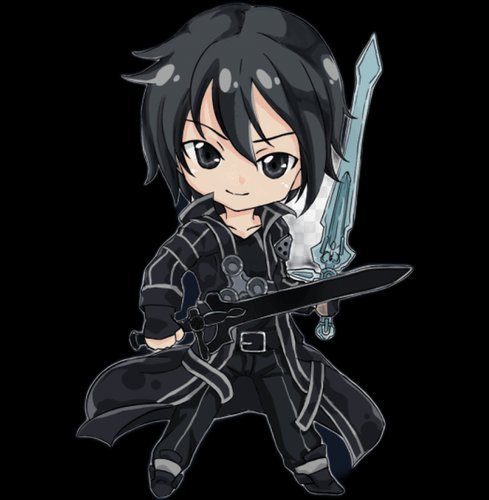
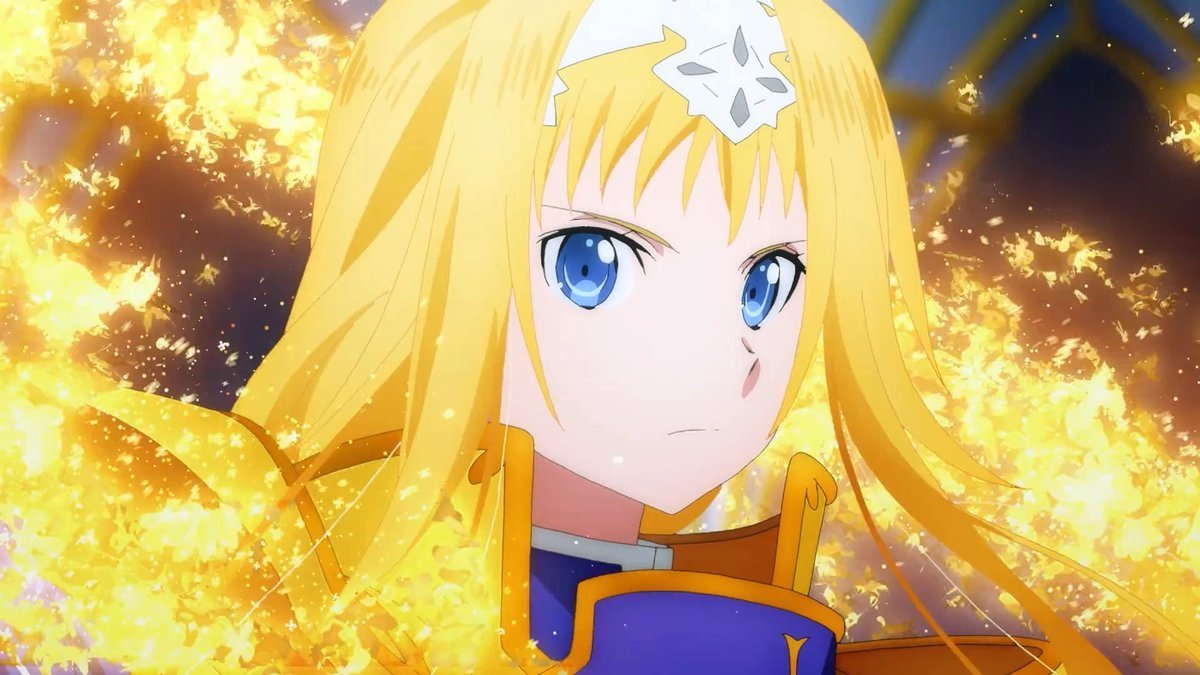
Kirito is the most famous one-handed sword user, wielding the Elucidator. His mastery of this weapon type earned him the unique Dual Blades extra skill, demonstrating the pinnacle of one-handed sword proficiency. Asuna's rapier mastery with Lambent Light made her one of the fastest and most precise fighters in Aincrad. Klein, the leader of the Fuurinkazan guild, specializes in curved swords, using their combo-chaining capabilities to maintain relentless pressure on enemies. His "Tiger Ferocity" skill chain is a textbook example of curved sword technique.
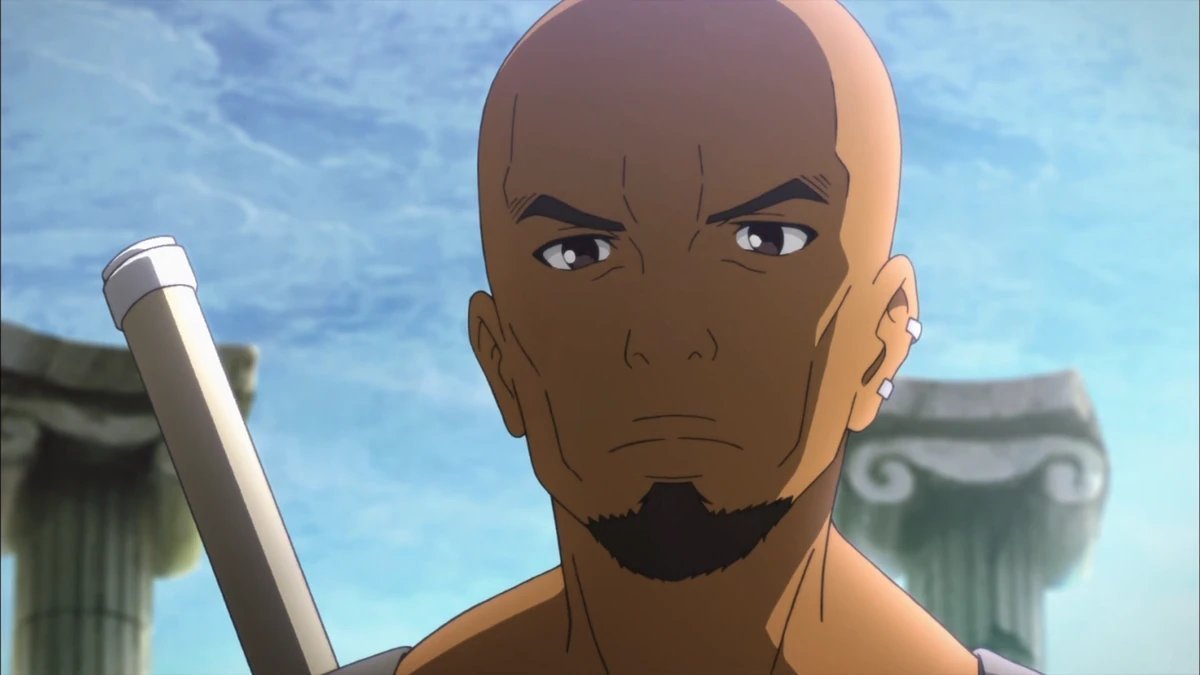
Agil, the tavern owner, wields a massive battle axe with devastating guard-breaking power, though he primarily uses it for material gathering rather than front-line combat. His choice of the axe class reflects his role as a merchant who needs to gather resources efficiently. Heathcliff, before his true identity as Kayaba was revealed, used a one-handed sword and shield combination that made him virtually invincible in PvP. His perfect blocking technique was possible because of his system administrator privileges, but it demonstrated the theoretical potential of the sword-and-shield playstyle. Each notable weapon user demonstrates a different approach to their chosen weapon type, creating a rich combat ecosystem where player skill and weapon choice interact to produce unique fighting styles. For detailed profiles, see the MyAnimeList page.
Strategic Analysis
Selecting the right weapon type depends on your playstyle and role within a party. Solo players often prefer one-handed swords or rapiers for their versatility — they can handle most combat situations without specialized support. Front-line tanks gravitate toward axes and maces for their guard-breaking power and ability to generate and hold aggro. Support players may choose spears for their safe distance and crowd control, allowing them to assist without being directly in the line of fire. Aggressive DPS-focused players excel with daggers and curved swords that reward high-risk, high-reward playstyles.
The optimal party composition includes a mix of weapon types that cover each other's weaknesses. A standard five-person front-line party might include a one-handed sword user (flexible DPS), a rapier user (burst damage), a battle axe user (guard breaking and tanking), a spear user (crowd control and support), and a healer with a light weapon. The SAO system allows players to train multiple weapon skills, so experimenting with different types early on is recommended before committing to a specialization. The strategic insight is that no weapon type is inherently better than others — each has situations where it excels and situations where it struggles. The best players are those who understand both their weapon's strengths and its limitations, adapting their tactics accordingly.
FAQ
What is the best weapon type for beginners?
Can you switch weapon types after specializing?
Which weapon type has the highest DPS?
What weapon should tanks use?
Can you use a shield with any weapon?
Pro Tip: Weapon proficiency in SAO increases through active use of Sword Skills, not just basic attacks. Focus on using the weapon type's unique Sword Skills to level proficiency faster. Each weapon skill level unlocks new techniques and passive bonuses.
Advertisement